Food Vacuum Sealers: Chamber vs External, Explained
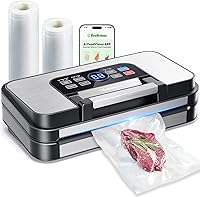
A food vacuum sealer pulls the air out of a bag and seals it shut. External models suit dry food and the freezer, while chamber models handle liquids and bulk batches.
On this page (11 sections)
- How a food vacuum sealer works
- External vs chamber at a glance
- External sealers: the everyday machine
- Chamber sealers: for liquids and big batches
- Bags, rolls and accessories
- Meat, game and fish
- Jars, bulk and sous vide
- Which food vacuum sealer should you buy?
- Food safety with a food vacuum sealer
- Frequently asked questions
- Where to start
A food vacuum sealer pulls the air out of a bag and seals it shut. Less air around the food means slower freezer burn and slower spoilage, and that's why most home cooks buy one.
Two types dominate home kitchens. External sealers suit dry food, meat and everyday freezer portions.
Chamber sealers handle liquids, soups, sauces and bigger batches.
This page explains how each type works, which one fits your food, and where to read next. Every guide and roundup on this site links back to this page, so it's the place to start.
How a food vacuum sealer works
An external sealer draws air out through the open end of a bag, then heat-seals the bag shut. The bag's textured channels, where the bag has them, give the air a path out.
A chamber sealer works differently. The whole open bag sits inside a chamber, and the machine pulls the air from the whole space before it seals the bag.
Liquid stays out of the pump, which is why chamber machines handle wet food better.
Both types remove air, and both slow freezer burn and some spoilage. Neither one kills bacteria, and neither makes food safe on its own.
Keep sealed food frozen or refrigerated.
External vs chamber at a glance
The table below compares the two types on the points that decide most purchases. Each row is a general pattern, not a rule for every model.
| Point | External sealer | Chamber sealer |
|---|---|---|
| How it pulls air | Through the open end of the bag | From the whole chamber |
| Best for | Dry food, meat, freezer portions | Soups, sauces, marinades, bulk batches |
| Counter size | Usually smaller and lighter | Usually larger and heavier |
| Bag type | Textured bags or rolls | Smooth chamber bags, or textured bags in an external mode |
| Liquids | Can struggle with wet food | Handles liquid well |
Most households do well with an external sealer. A chamber machine is the better buy when wet food is the main reason you're sealing.
External sealers: the everyday machine
External sealers are the most common choice for a home freezer. They take up less counter space than most chamber machines, and they suit meat, bread, produce and dry goods.
For a step-by-step walkthrough, read how to use a vacuum sealer, which takes you through the process from start to finish.
Before you buy, check whether a sealer is worth the cost of a machine and bags. Our is a vacuum sealer worth it guide works through that question for a home freezer.
If the machine won't seal, the vacuum sealer not sealing guide covers the common fixes.
The external machines we compared are in the roundups and reviews below.
- Best FoodSaver vacuum sealers ranks the three FoodSaver machines we looked at, with dry and moist modes and roll storage.
- Best vacuum sealers for meat ranks five external machines for beef, pork and poultry.
- How to choose a vacuum sealer for home use explains the seal bar, pump and modes, with four home machines as examples.
- Nesco vs FoodSaver vacuum sealer compares two popular external brands head to head.
- Vacuum sealer vs freezer bags asks whether a sealer beats zip bags for the freezer.
- Chef Preserve Compact vacuum sealer review covers a rechargeable, handheld-style unit that uses reusable bags.
- Nesco Deluxe VS-12 vacuum sealer review covers one of the most-used home external machines.
- FoodSaver FM2100 review covers a simple FoodSaver with dry and moist settings.
Chamber sealers: for liquids and big batches
A chamber sealer is the right choice for soups, sauces, stock and marinades. It also suits bulk batches, since a larger chamber fits several portions in one cycle.
Start with what a chamber vacuum sealer is for the mechanics. Then read can you vacuum seal liquids to see which machines handle wet food well.
The chamber machines we compared are in these roundups and reviews.
- Best chamber vacuum sealers for home use ranks five chamber models by chamber size, seal bar and weight.
- Best vacuum sealers for liquids and wet foods focuses on soups, sauces and marinades.
- Chamber vs external vacuum sealer compares the two types for a home kitchen.
- VEVOR vs Avid Armor chamber vacuum sealer matches two popular chamber brands.
- VEVOR 12-inch chamber vacuum sealer review covers a 12 in chamber model in detail.
- How to choose a commercial-style chamber sealer explains what the wider bars and stronger pumps mean for home use.
Chamber machines are heavier and take more counter space, so measure the spot before you buy. The guides above cover the weight and chamber size of each model.
Bags, rolls and accessories
The bag is the part you buy again and again, so it matters as much as the machine. The right bag gives a clean seal, and the wrong one leaves a weak line.
Start with best vacuum sealer bags, which ranks five bag and roll packs by fit and format. For the rolls themselves, see best vacuum sealer rolls.
Rolls and pre-cut bags suit different routines, and vacuum sealer bags vs rolls explains which one fits your freezer. If you're unsure which side of a textured bag goes up, textured vacuum bags answers that question.
Meat, game and fish
Meat is the biggest reason people buy a food vacuum sealer. The mode you pick matters for raw meat, and the seal bar and bag size matter for large cuts.
Start with best vacuum sealers for meat, then read dry or moist setting for meat to choose the right mode. The mode guide explains which cuts go in which setting.
For kitchen prep of larger cuts, read vacuum sealing deer meat. It covers trimming, chilling, bag sizes and freezing, and it stays on the kitchen side.
For picks aimed at game meat, see best vacuum sealers for deer and game meat.
Jars, bulk and sous vide
Some cooks use a sealer for dry goods in jars, and for bulk storage of rice, beans and flour. Others use one for sous vide, where the bag needs a tight seal and a heat limit that suits the water bath.
Read vacuum sealing mason jars for the machines and attachments that suit jars.
For sous vide, start with do you need a vacuum sealer for sous vide, which covers zip bags and when a sealer helps. Then read best vacuum sealer for sous vide for the machines that suit the method.
Which food vacuum sealer should you buy?
Start with the food you seal most. Dry food, meat and everyday portions point to an external sealer with dry and moist modes.
Soups, sauces, marinades and bulk batches point to a chamber sealer.
Next, check your counter and your freezer. External sealers take less space, while chamber sealers need a permanent spot and an outlet that can take the load.
Last, look at the bags. A machine is only as good as the bags that fit it, so check the bag type before you buy a roll or a pack.
Our best vacuum sealer bags roundup shows the packs that fit most home machines.
For most home kitchens, an external sealer is the first machine to buy. Add a chamber sealer later if liquids become a regular part of your cooking.
Food safety with a food vacuum sealer
Vacuum sealing is not a substitute for refrigeration or freezing. It removes air, which slows freezer burn and some spoilage, but it doesn't kill bacteria or make food safe by itself.
Sealed low-acid food left at room temperature can grow the bacteria that cause botulism, and raw garlic or herbs in oil carry the same risk. Keep sealed food frozen or refrigerated, take fish out of the bag before you thaw it, and follow USDA guidance for each food.
The USDA's Food Safety and Inspection Service gives 0 F (-18 C) as the freezing target, per its freezing and food safety guidance. A freezer thermometer shows the real temperature inside.
A food vacuum sealer is a long-term purchase, so it's worth reading the bag, bar and mode details before you buy. The guides in each section above cover one part of that choice, and the roundups show how the machines compare on the same points.
Frequently asked questions
Most readers come to this page with a short question. These answers cover the most common ones, and the guides above go deeper on each point.
What is the difference between a chamber and an external food vacuum sealer?
An external sealer pulls air through the open end of a bag, so it suits dry food, meat and everyday freezer portions. A chamber sealer puts the whole open bag inside a sealed chamber, which keeps liquid out of the pump.
Is a food vacuum sealer worth it for a home freezer?
It can be, if you buy meat in bulk, cook in batches or freeze a lot of portions. A household that seals only a few bags a month may do fine with zip bags, and our is a vacuum sealer worth it guide explains the trade-off.
Which food vacuum sealer is best for meat?
For most home kitchens, an external sealer with dry and moist modes suits meat best. The best vacuum sealers for meat roundup ranks five machines, with the FoodSaver V4400 at the top for hands-off mode choice.
Do vacuum-sealed foods last longer?
Vacuum sealing slows freezer burn and some spoilage, because less air reaches the food. It doesn't kill bacteria or make food safe on its own, so keep sealed food frozen or refrigerated.
Where to start
If you're new to food vacuum sealers, start with how to use a vacuum sealer. It's the quickest way to learn bag placement and the mode before you buy anything.
If you already own a sealer, start with the bags. The right bag and the right mode fix most of the common problems, and the guides above show how to choose both.
Frequently asked questions
What is the difference between a chamber and an external food vacuum sealer?
An external sealer pulls air through the open end of a bag, so it suits dry food, meat and everyday freezer portions. A chamber sealer puts the whole open bag inside a sealed chamber, which keeps liquid out of the pump.
Is a food vacuum sealer worth buying for a home freezer?
It can be, if you buy meat in bulk, cook in batches or freeze a lot of portions, since the seal and the bag roll save time over many packs. A household that seals only a few bags a month may do fine with zip bags.
Which food vacuum sealer is best for meat?
For most home kitchens, an external sealer with dry and moist modes suits meat best. The FoodSaver V4400 chooses the mode on its own, and the Beelicious Pro 95 kPa suits juicy cuts and marinated meat, with a gentle setting for soft food.
Do vacuum-sealed foods last longer?
Vacuum sealing slows freezer burn and some spoilage, because less air reaches the food, so sealed packs keep their texture and flavor longer in the freezer. It doesn't kill bacteria or make food safe on its own, so keep sealed food frozen or refrigerated and follow USDA guidance for each food.