Vacuum Sealer Not Sealing? Common Fixes
Most vacuum sealers not sealing come down to three problems: bag placement, a dirty seal bar or a worn foam gasket. Check those three before you call the maker or buy a new machine.
On this page (7 sections)
Most vacuum sealers that won't seal have one of three problems: the bag isn't placed right, the seal bar is dirty, or the foam gasket is worn. Check those three before you buy parts or call the maker.
This guide walks through the fixes in order, from the easiest to the ones that need a part. Most people solve the problem on the first two steps.
Keep the food cold while you troubleshoot. A bag that didn't seal isn't vacuum packed, so treat it as unsealed food until it's fixed.
Vacuum sealer not sealing? Start with the bag
The bag is the most common cause, so check it first. The open end should lie flat across the seal bar, with no wrinkles or folds in the seal area.
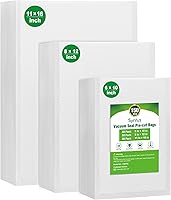
Use bags made for your machine. Textured and smooth bags don't always work on every model, so check your manual before you switch.
Leave a few inches of bag clear at the open end. Food, sauce or juice in the seal zone can stop the seal from forming.
Clean and dry the seal bar
Wipe the seal bar with a dry cloth after each bag. A drop of juice or a crumb of meat can stop the bar from closing fully.
Let the bar cool before you wipe it, and never use wet cleaners near the heating wire. If the bar is wet, dry it completely before the next seal.
Check the lid too. A lid that doesn't close fully can pull air but leave the seal incomplete, so press it down until the latch clicks.
Replace a worn foam gasket
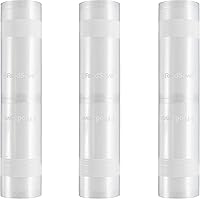
The foam gasket sits under the lid and seals the vacuum. When it cracks, flattens or gets sticky, it stops holding a vacuum, and the machine sucks air but won't seal well.
Vacuum sealer not sealing? Check the gasket first
Many FoodSaver models in the V2200 to V3200 range use two foam gaskets, while the V3000 and V3200 series take only the lower one.
If you have two foam gaskets, replace both at once. If you have one foam and one rubber gasket, replace only the foam one.
Impresa's four-pack covers a wider run of FoodSaver series, from the V2200 to the V3840. The gasket is rubber, and Impresa says the set fits the T910-00075 part number.
Nesco's Deluxe VS-12 uses its own foam gaskets. The set below includes PTFE tape for the seal bar, so you can replace the gasket and the tape in one go.
Check the seal bar tape
Many machines have a strip of PTFE or Teflon tape on the seal bar. The tape stops the bag from sticking and burning on the bar.
Replace the tape when it's torn, burned or shiny. A worn strip can leave a weak seam.
PTFE tape is a common part for home sealers, and the Nesco set above includes PTFE tape made for the VS-12.
When the machine still won't seal
If the bag placement, the clean bar and a new gasket don't help, the problem may be inside the machine. A heating element that's worn or a loose connection can stop the seal from forming.
Check the power cord and outlet first. Then check the manual for a reset or a test cycle your model uses.
If the pump runs but no air comes out, check the lid, the gasket and the bag placement before you suspect the pump. If the machine doesn't pump at all, check the power and the warranty first.
Check the warranty before you pay for a repair. FoodSaver backs its FM2100 with a 5-year limited warranty, and other makers have their own terms, so read the card in the box.
Checklist for a seal that keeps failing
Work through these steps in order, and stop when a test bag seals cleanly.
- Dry the seal bar and wipe off any residue.
- Lay the bag flat, with the open end square across the bar.
- Press the lid down until the latch clicks.
- Seal a test bag with a little room at the open end.
If the test bag still fails, the gasket or the bar tape is the likely cause, so check those next. Run the same test after each change, so you know which fix worked.
Vacuum sealer not sealing? Save your bags and food
If a seal fails, reseal the bag after you've fixed the problem, using a fresh bag if the old one is wrinkled or cut. Don't reuse a bag with a bad seam, since the seam may open in the freezer.
Keep sealed food cold while you troubleshoot. Put food that didn't seal in the fridge or freezer right away, then reseal it when the machine is working again.
Label any bag that didn't seal, so you don't mistake it for a good packet later. If sealing failures keep coming back, write down the bag brand and the setting, since a pattern often points to one bag or one setting.
For the full set of steps on a clean seal, how to use a vacuum sealer walks through each stage. If you're buying new bags, textured side up or down explains how the bag's texture affects the seal.
If your machine is older or the bar is badly worn, the best FoodSaver vacuum sealers show what a newer model offers. Our best vacuum sealer bags list covers bags that fit most home machines.
Frequently asked questions
Why does my vacuum sealer pull air but not seal?
The seal bar is usually at fault. Check that the bag's open end lies flat across the bar, that no food or liquid sits in the seal zone, and that the bar is clean and dry.
How often should I replace the foam gasket?
Replace it when it's cracked, flattened, sticky or gummy, since those signs mean it no longer holds a vacuum. Check the manual for the schedule your maker suggests, and keep a spare set on hand.
Can I use any gasket in my vacuum sealer?
Only if the gasket is made for your model number, since gaskets differ by series. Check the model number on your machine and the compatible list on the gasket before you buy.
What if the fixes don't work?
Check the warranty first, since FoodSaver backs its FM2100 with a 5-year limited warranty and other makers have their own terms. If the machine still won't seal after new gaskets and a clean bar, contact the maker before paying for repairs.