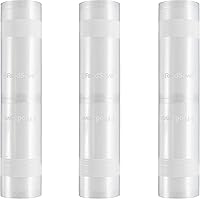
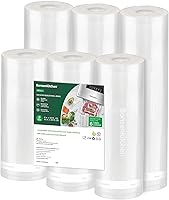
Vacuum Sealer Bags: Textured Side Up or Down?
It depends on your sealer, so check the manual: the textured side of a bag has to face the machine's vacuum channel. Two-sided textured bags have no wrong side.
On this page (8 sections)
- What the textured side does
- Vacuum sealer bags: textured side up or down on an external sealer
- Single-sided textured bags: how to tell which side
- Two-sided textured bags and what changes
- Chamber sealers and embossed bags
- Common mistakes and how to fix them
- Food safety with vacuum-sealed bags
- Which bag to buy for your sealer
Textured vacuum sealer bags have raised channels on one side or both. Those channels give air a path out of the bag, so the sealer can pull the air away before it fuses the seal.
Get the side wrong, and the bag can seal with air still inside, so it's worth knowing whether the textured side goes up or down.
The short answer is that the textured side has to face the machine's vacuum channel, and which way that points depends on your machine. Check the manual, since some brands print the direction on the bag or the sealer itself.
This guide explains how the channels work, which bags have one textured side, and how to place the bag without a mistake.
What the textured side does
The embossing is a pattern of raised dots or ridges pressed into the film. When the sealer pulls a vacuum, the channels keep the two layers of the bag apart long enough for the air to leave.
Without that texture, a smooth bag can press flat against itself and trap air at the open end. That texture helps the air leave before the seal forms, which matters when the food is bulky.
Brands describe the texture in different ways. Syntus calls its pattern a single-side textured dot pattern, and Bonsenkitchen describes a recess groove on one side and a glossy side on the other.
Vacuum sealer bags: textured side up or down on an external sealer
On an external sealer, the open end of the bag goes over the vacuum channel, with the textured side facing it. Which face of the bag that is depends on how the sealer is built.
The manual is the most reliable answer, since the sealer's channel and gasket decide which orientation works.
If the bag has textures on both sides, the orientation doesn't matter. Two-sided textured bags are common, and they remove the guesswork.
Single-sided textured bags: how to tell which side
Vacuum sealer bags with one textured side
Hold the bag to the light and look for the raised dots or ridges. The textured side is the one with the pattern, and the other side is usually smooth.
Some bags, like the Bonsenkitchen pre-cut packs, use a recess groove on one side and a glossy transparent side on the other. Check the groove before you load the bag, and follow the brand's guidance for that bag.
A quick test helps. Load one bag, run a seal, and check the seal line.
If the seal looks wrinkled or the bag doesn't pull tight, flip the bag and try again.
Two-sided textured bags and what changes
Two-sided textured bags have channels on both faces, so either side can go toward the channel. They're a simple pick if you don't want to think about orientation.
They also work well for bulk storage. A bag with channels on both sides can be used in a sealer that takes either orientation, which reduces mistakes at the counter.
For a roll, a two-sided textured roll is the easiest to load. You can cut any length, and the orientation stops being a question.
Chamber sealers and embossed bags
Chamber sealers usually take smooth bags inside the chamber. Some models have an external mode for embossed bags, so you can seal a textured bag outside the chamber.
VEVOR describes this external mode for its 2.2 gal model. Our best chamber vacuum sealer roundup covers the models that offer it.
If your machine has no external mode, use the bag type its manual names. A mismatch can give a weak seal.
Common mistakes and how to fix them
A common mistake is loading a bag with the textured side away from the channel. The seal may look fine, but air can stay in the bag, and it can float or spoil sooner.
Other mistakes include putting juice at the open end, which blocks the channels, and cutting the bag too short for the seal. Wipe the open end dry and leave a clear margin.
If a bag fails, check the gasket and the bar before you blame the bag. Our vacuum sealer not sealing guide has the common fixes.
Food safety with vacuum-sealed bags
Vacuum sealing is not a substitute for refrigeration or freezing. A textured bag removes air, which slows freezer burn and some spoilage, but it doesn't kill bacteria or make food safe by itself.
Sealed low-acid food left at room temperature can grow the bacteria that cause botulism. Keep sealed food refrigerated or frozen.
The USDA's Food Safety and Inspection Service gives 0 F (-18 C) as the freezing target, per its freezing and food safety guidance.
Which bag to buy for your sealer
If you're unsure, a two-sided textured bag is the easiest pick. It removes the question of orientation and works in most external machines.
If you already own a single-sided bag, keep using it, and check the manual once for the right side. Write the answer on a label inside the cabinet, so the next roll goes in the right way.
For a full list of bags and rolls, see our best vacuum sealer bags roundup. To choose between a roll and pre-cut bags, read vacuum sealer bags vs rolls.