Vacuum Sealer Bags vs Rolls: Which Is Better? (October 2026)
Pre-cut vacuum sealer bags are quick and need no cutting, while rolls let you cut any length and suit bulk food and large cuts. Pick bags for single portions and rolls for big or odd-sized items, and check that either one fits your machine.
On this page (15 sections)
- What a pre-cut bag and a roll each do
- Vacuum sealer bags vs rolls for a single portion of meat
- Vacuum sealer bags vs rolls for a large cut or bulk pack
- Waste: where the material goes
- Do bags or rolls work better in an external sealer?
- Bag and roll sizes that suit a home freezer
- Matching the roll to the cut
- Common mistakes with bags and rolls
- Storage: which takes less room
- Cost per use: compare on the same basis
- Freezer storage and food safety
- Questions to ask before you buy bags or rolls
- Who should buy pre-cut bags
- Who should buy rolls
- Vacuum sealer bags vs rolls: which to pick for your freezer
Pre-cut vacuum sealer bags are ready to use, so you seal a portion in seconds.
A roll is a long length of bag material that you cut to fit each food, and the right choice depends on the size of what you seal and how often you seal it.
This comparison covers the parts that matter when you stock a freezer: size flexibility, waste, fit with your machine, storage and cost per use. We checked the specs and the brands' claims, then compared the two bag types on the food people seal most.
What a pre-cut bag and a roll each do
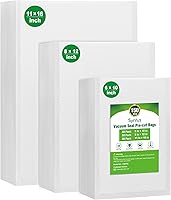
A pre-cut bag comes already sealed on three sides, with an open end. You fill it, press the open end onto the sealer bar and seal it shut.
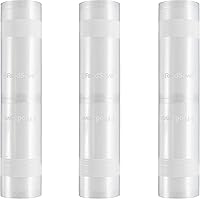
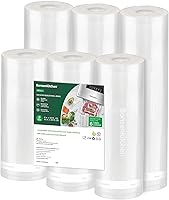
A roll is a long tube of bag material that's open at both ends. You cut a length, seal one end, fill the bag and seal the other end.
That single difference drives the rest of the comparison: a bag is fixed in size, and a roll is not.
Vacuum sealer bags vs rolls for a single portion of meat
For a single steak or a few chicken breasts, a pre-cut bag is faster. You don't measure or cut, so you can seal a portion in under a minute.
A roll works too, but you need to measure a length and cut it with a knife or the sealer's cutter. For one portion, that extra step adds up across a week of sealing.
If you seal the same portion size over and over, pre-cut bags suit the job best. Quart and gallon sizes are the common ones.
Vacuum sealer bags vs rolls for a large cut or bulk pack
For a whole roast, a large fish or a bulk pack of meat, a roll is the better tool. You cut the length to fit the cut, with room for the seal at each end.
Pre-cut bags can run short on a large cut. If the food won't fit the bag's width or length, you end up with a bag that doesn't seal or a cut that sticks out.
Rolls also suit odd shapes, such as a cut of game or a cluster of vegetables. You can make the bag as long as the food needs.
Vacuum sealer bags vs rolls for bulk freezer packs
Bulk packs suit a roll, because you can match each bag to the portion you'll thaw. Pre-cut bags work for bulk too, but you're limited to the sizes in the box.
Plan the bag size for each food before you start a bulk session. That keeps the roll from running out mid-batch.
Waste: where the material goes
Pre-cut bags waste no material on cutting, since you never trim them. The trade-off is that a bag can be much bigger than a small portion, so some of the bag goes unused.
Rolls lose a little material at each end, because every bag needs a seal at both ends. A roll cut for a small item loses more to the seals, relative to the food inside.
On large jobs, rolls let you match the bag length to the food, which cuts waste. On small jobs, pre-cut bags avoid the cutting step and the end-seal waste.
Do bags or rolls work better in an external sealer?
External sealers need a textured surface to pull air through the bag. Bags and rolls made for external sealers usually have that texture, so check the label before you buy.
Chamber machines use smooth pouches, not the textured bags an external sealer needs. Don't mix the two types, and check the manual for the bag type your machine takes.
The FoodSaver FM2100 uses both rolls and pre-cut bags made for its system. Check the bag width against the roll width your machine accepts before you buy a new pack, and read our FoodSaver FM2100 review for the full set.
Bag and roll sizes that suit a home freezer
Rolls come in common widths, such as 8 inches and 11 inches, and the length varies by pack. The FoodSaver custom-length multipack, for example, includes 8-inch and 11-inch rolls.
Check the roll width against the seal bar on your machine. A roll that's wider than the machine accepts won't seal.
Matching the roll to the cut
A roll lets you match the bag to the cut, which is the main reason to buy one for large food. Measure the cut, add room for two seals and cut the roll to that length.
Pre-cut bags suit portions of a known size, which keeps the cutting step out of your routine. Once you know your common portion sizes, a box of pre-cut bags covers them well.
Common mistakes with bags and rolls
One mistake is buying a roll wider than the machine's seal bar. A roll that's too wide won't seal, and it wastes the roll you paid for.
Another mistake is mixing textured and smooth bags on the same machine. A bag that doesn't match the machine can seal poorly or not pull a vacuum at all.
Storage: which takes less room
A pre-cut box stacks on a shelf, and it takes up little room once it's open. The bag count is what you track.
A roll is a bulky tube, and a roll storage tube or a cabinet slot keeps it tidy. Machines with roll storage, such as the FoodSaver FM2100 and the Nesco VS-12, keep the roll inside the unit, and our Nesco VS-12 review covers that setup.
If your freezer is small, pre-cut bags use less room per meal. If you seal in volume, rolls cover more food per roll.
Cost per use: compare on the same basis
Compare bags and rolls on the same basis, which is cost per bag or cost per foot of roll for the size you use. A pack's sticker price alone doesn't tell you much.
Check the count, the width and the length on each pack, then divide the price by the count or the length. That tells you what each seal really costs.
Rolls usually suit heavy use, and pre-cut bags suit occasional use. Your own pattern of sealing is the best guide, so track it for a month.
Freezer storage and food safety
Vacuum sealing is not a substitute for refrigeration or freezing. Both bags and rolls keep food in the freezer, as long as the freezer holds 0 F or colder, but neither makes food safe on its own.
Low-acid foods like meat, vegetables and soup can grow the bacteria that cause botulism if they sit at room temperature without oxygen. Keep sealed food refrigerated or frozen, and read USDA guidance at foodsafety.gov before you store any food for a long time.
Label each bag with the date and the food. The label makes it easy to use the oldest package first.
Questions to ask before you buy bags or rolls
Ask what sizes of food you seal most. Single portions point to pre-cut bags, while large cuts point to a roll.
Ask whether your machine has roll storage and a cutter. A roll is far more practical with a built-in cutter.
Ask how much room you have for storage. A roll takes up more space than a box of pre-cut bags, so plan the shelf first.
Who should buy pre-cut bags
Buy pre-cut bags if you seal single portions or the same size again and again. They are the fastest way to seal a steady supply of portions.
Buy pre-cut bags if you have no cutter and no room for a roll. Pre-cut bags need the least setup.
Buy pre-cut bags for a first try at vacuum sealing. You learn the machine on bags that need no cutting.
Who should buy rolls
Buy rolls if you seal large cuts, bulk packs or odd shapes. A roll lets you match the bag to the food.
Buy rolls if you have a roll machine with a built-in cutter. The cutter makes custom bags quick and easy.
Buy rolls if you seal in volume and want to cut waste on large jobs.
Vacuum sealer bags vs rolls: which to pick for your freezer
Pick pre-cut bags for speed and single portions. Pick rolls for size flexibility and large or odd-shaped food.
You can keep one roll for big jobs and a stack of pre-cut bags for quick ones. That mix covers a wide range of what goes in a freezer.
For a closer look at the bags and rolls on this site, read our best vacuum sealer bags guide and our vacuum sealer rolls guide. For the wider question of whether to seal at all, read vacuum sealer vs freezer bags.