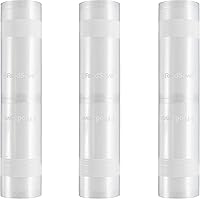
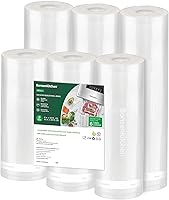
Vacuum Sealer vs Freezer Bags: Which Is Better? (October 2026)
A vacuum sealer removes more air than a freezer bag, which slows freezer burn, but freezer bags need no machine and cost little to start. Choose the sealer if you freeze meat or bulk food often, and keep the bags for light use.
On this page (14 sections)
- What a freezer bag does and what a vacuum sealer adds
- Freezer burn: which method slows it more
- Vacuum sealer vs freezer bags for meat
- Freezer bags for liquids, soups and marinades
- Can you vacuum seal freezer bags?
- Cost per bag and the bag you already own
- Speed, space and daily use
- Vacuum sealer vs freezer bags for long storage
- Labeling, rotating and the freezer shelf
- Questions to ask before you pick a method
- Mistakes people make with freezer bags
- Who should keep using freezer bags
- Who should buy a vacuum sealer
- Vacuum sealer or freezer bags: which one wins for your freezer
A vacuum sealer pulls most of the air out of a bag and seals it with a heat bar, while a freezer bag keeps some air inside. That gives the sealer the edge against freezer burn, but freezer bags need no machine and suit light, occasional freezing.
This comparison covers the parts of the choice that matter in a home freezer: freezer burn, meat, liquids, cost to run and daily use. We checked the specs and the brands' claims, then compared the two methods on the food people freeze most.
What a freezer bag does and what a vacuum sealer adds
A freezer bag is a plastic bag with a zip or a fold-over seal. You press out as much air as you can, then close the top, so some air stays inside.
A vacuum sealer draws the air out of the bag, then seals it with a heat strip. The bag ends up with much less air around the food.
That difference is the whole comparison. Less air means less exposure to the cold, dry air that causes most freezer burn.
Freezer burn: which method slows it more
Freezer burn shows up as dry, grey or leathery patches on frozen food. It comes from air reaching the surface and pulling moisture out of the food.
A vacuum sealer slows freezer burn more than a freezer bag, because it removes more of the air around the food. Freezer bags slow it too, but they leave more air in the package.
USDA says freezer burn affects the quality of frozen food, not its safety. Read USDA guidance at foodsafety.gov for how long each food keeps its best quality in the freezer.
Vacuum sealer vs freezer bags for meat
Vacuum sealer vs freezer bags for meat storage
For meat, a vacuum sealer is the better choice if you freeze cuts for months. The seal keeps the meat dry and the air out, so the surface holds up longer.
For a few packages of ground meat for next week, a good freezer bag works. Press out as much air as you can, lay the bag flat and freeze it quickly.
Meat frozen at 0 F or colder stays safe in either type of bag. Vacuum sealing is not a substitute for freezing, and it doesn't make meat safe on its own.
Freezer bags for liquids, soups and marinades
A freezer bag can hold a soup or a marinade, but it can leak if the zip doesn't close fully. Lay the bag flat and leave a little room at the top, since the liquid expands as it freezes.
A vacuum sealer handles liquids differently. An external sealer struggles with wet food, and a chamber machine is the better tool for soup or marinade.
For a full look at liquids in a sealer, read our chamber vacuum sealer comparison and our guide to sealing liquids.
Can you vacuum seal freezer bags?
Regular zip-top freezer bags are not made for most vacuum sealers, so they won't seal the way a sealer bag does. Use bags labeled for vacuum sealers, or the rolls made for your machine.
Check the manual for the bag types your sealer accepts. The FoodSaver FM2100 uses rolls and pre-cut bags made for its system, for example, and our FoodSaver FM2100 review covers that machine in full.
Using the wrong bag can cause a weak seal or a bag that doesn't pull a vacuum, so check the bag before you seal a full batch.
Cost per bag and the bag you already own
Freezer bags are the cheaper start. You likely have a box in the kitchen already, so you can freeze food today without buying a machine.
A vacuum sealer costs more up front and needs its own bags or rolls. The payoff comes over time, when you freeze enough food that the freezer burn savings and the reduced waste add up.
Keep track of how much food you freeze each month before you decide. A household that freezes a few packages a month may never need a sealer, while a family that stocks the freezer every season will.
Speed, space and daily use
A freezer bag takes seconds to fill and close. It needs no outlet, no bar and no cleanup beyond the bag itself.
A vacuum sealer takes a little longer per bag. It needs a counter spot, an outlet and a few minutes to learn the settings for each food type.
If you freeze one or two packages a week, the bag is simpler. If you process a large batch at a time, the sealer keeps the work moving.
Vacuum sealer vs freezer bags for long storage
A freezer keeps food safe at 0 F or colder, but it doesn't keep quality forever. Freezer bags and sealed bags both lose quality over time, and sealing slows that loss.
USDA gives quality guidance by food type, and that guidance is the right reference for how long to keep things. Label each package with the date, and use the oldest first.
Be wary of any maker's claim about how long sealed food lasts. Treat it as a best case, and check it against USDA's food-type guidance.
Labeling, rotating and the freezer shelf
Label every package with the food and the date before it goes in. A marker and a strip of tape do the job for both bags and sealed packs.
Put the newest packages at the back and the oldest at the front. That habit keeps the freezer rotating, so older food gets used first.
Keep a short list on the freezer door if that helps. A list makes it easier to plan meals around what you already have.
Questions to ask before you pick a method
Ask how often you freeze meat, fish or bulk food. Frequent freezing of those foods points to a sealer, while occasional leftovers point to bags.
Ask how much counter room and storage you have. A sealer needs a spot on the counter and a place for the rolls, while bags need only a drawer.
Ask whether you plan to sous vide. A sealer makes sous vide bags, and a chamber model is the better tool for wet food.
Mistakes people make with freezer bags
Pressing air out of a zip bag by hand leaves more air behind than a sealer does. That leftover air is one of the main reasons freezer burn shows up on bagged food.
Another mistake is freezing a bag that isn't closed fully. A partly open zip lets air and frost in, so check the closure before the bag goes in the freezer.
Who should keep using freezer bags
Keep using freezer bags if you freeze only a few packages a month. A zip bag does the job for leftovers, bread, cooked food and short-term storage.
Keep using freezer bags if you have no room for a machine or no counter space to spare. They need no set spot and no outlet.
Keep using freezer bags if most of what you freeze is dry or already packaged. The gain from a sealer is smaller on those foods.
Who should buy a vacuum sealer
Buy a vacuum sealer if you freeze meat, fish or game in bulk. A sealer slows freezer burn better, and the roll cutter makes custom bags.
Buy a sealer if you buy meat or bulk food in large packs and split it for the freezer. Sealing in portions cuts waste, since you thaw only what you need.
Buy a sealer if you cook sous vide. A sealer makes the bags, and a chamber model is the better tool for wet food.
For a fuller look at whether a sealer is worth the money, read is a vacuum sealer worth it. For a handheld option on a smaller budget, our Chef Preserve review covers that route.
Vacuum sealer or freezer bags: which one wins for your freezer
For the freezer, a vacuum sealer wins on freezer burn and on long storage of meat and bulk food. Freezer bags win on cost to start, speed and space.
Pick a vacuum sealer if you freeze meat or bulk food often and want the food to hold up longer. Pick freezer bags if you freeze less and want no machine to store.
If you pick a sealer, buy the bags or rolls that fit it, and read our best vacuum sealer bags guide to choose a bag type. For the roll side of the choice, read vacuum sealer rolls and vacuum sealer bags vs rolls.